
Kyoto Journal Feature
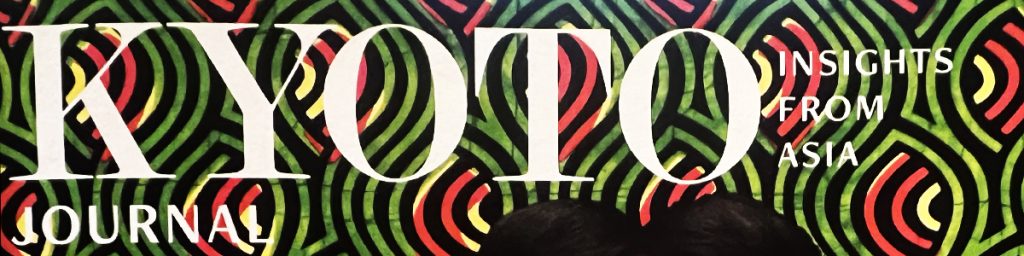
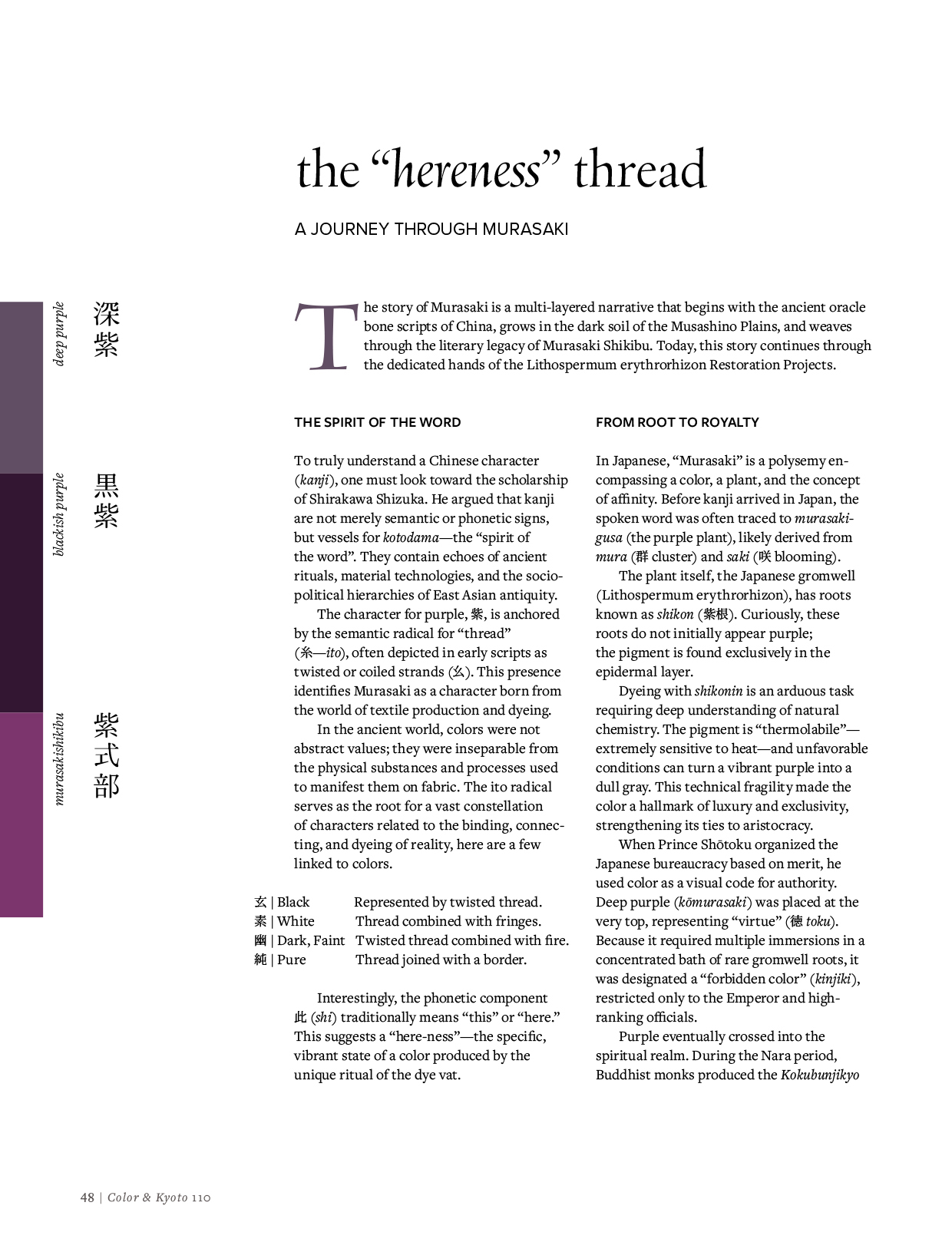
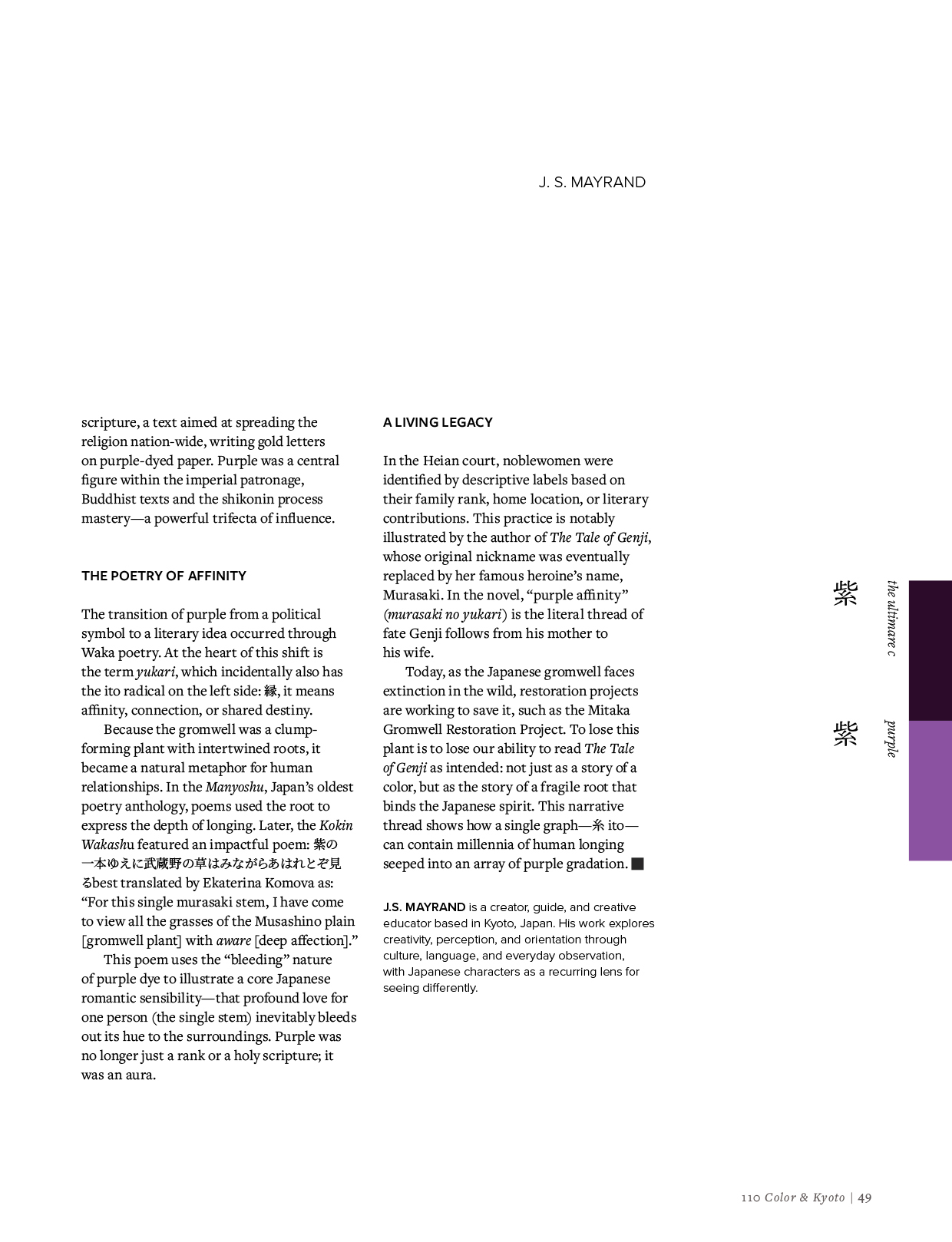
The Here-ness Thread: A Journey Through Murasaki
Published in Kyoto Journal, Color & Kyoto, Issue 110
This text explores the multi-layered narrative of Murasaki (purple). It traces its lineage from ancient Chinese oracle bone scripts to the Lithospermum erythrorhizon Restoration Projects.
Peer-reviewed Paper
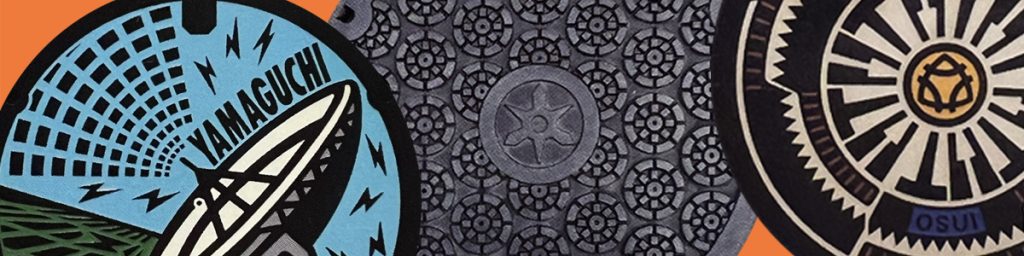
The Japanese Manhole Cover: Utilitarian Object to Synergetic Engine
Published in The International Journal of the Arts in Society, Vol. 18, Issue 1
This article examines the unique socio-cultural evolution of Japanese manhole covers (JMCs). It shows the transformation from purely utilitarian infrastructure components into dynamic synergetic tools and cherished cultural artifacts. Beginning with their nineteenth century introduction as part of Japan’s modernization, JMCs initially featured functional patterns. However, a pivotal shift in the 1980s and 1990s saw them become vibrant art canvases. Strategic design initiatives and public relations steered this change.
The establishment of the Sewerage Public Relations Platform (GKP) around 2010 further amplified this phenomenon through innovative strategies. These unlocked new avenues for tourism, local economic development, and cultural promotion.
This study reveals how JMCs transcended their original function to become “micro-monuments.” These reinforce local identity, foster civic pride, and generate tangible cultural and economic value.
The Japanese case, while culturally specific, offers profound insights into global trends in urban design, public art, and community development. It demonstrates the transformative power of creative engagement with the urban fabric.
Ph.D Thesis
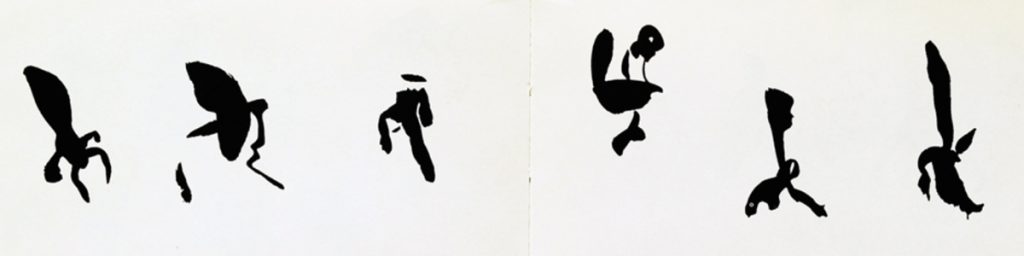
Reading Henri Michaux’s ‘Mouvements’ Memento: A Structuralist Approach
ある筆記帳の読解ーアンリ・ミショー『ムーヴマン』論 , Ph.D dissertation defended at Kyoto Seika University, Japan.
This doctoral dissertation examines French poet and painter Henri Michaux’s 1951 work Mouvements through a structuralist and cross-cultural lens. Combining quantitative visual analysis—utilizing Felix Thürlemann’s methodology—with qualitative literary examination, the study investigates how Michaux integrates ink drawings, poetry, and graphic signs. It explores the deep influence of Asian aesthetics on Michaux’s oeuvre, focusing on Sino-Japanese ideograms, Chinese calligraphy, Taoist concepts of Emptiness, and his artistic connection with Zao Wou-Ki. Ultimately, the research offers a comprehensive framework for understanding the dynamic relationship between text, image, movement, and Eastern philosophy in Michaux’s creation.
Want to see how this research comes to life?
Join us for unique hands-on printing on t-shirt/furoshiki experiences!